

Manhari founder, Maddy Gupta, urges businesses to capitalise on the rising value of metals
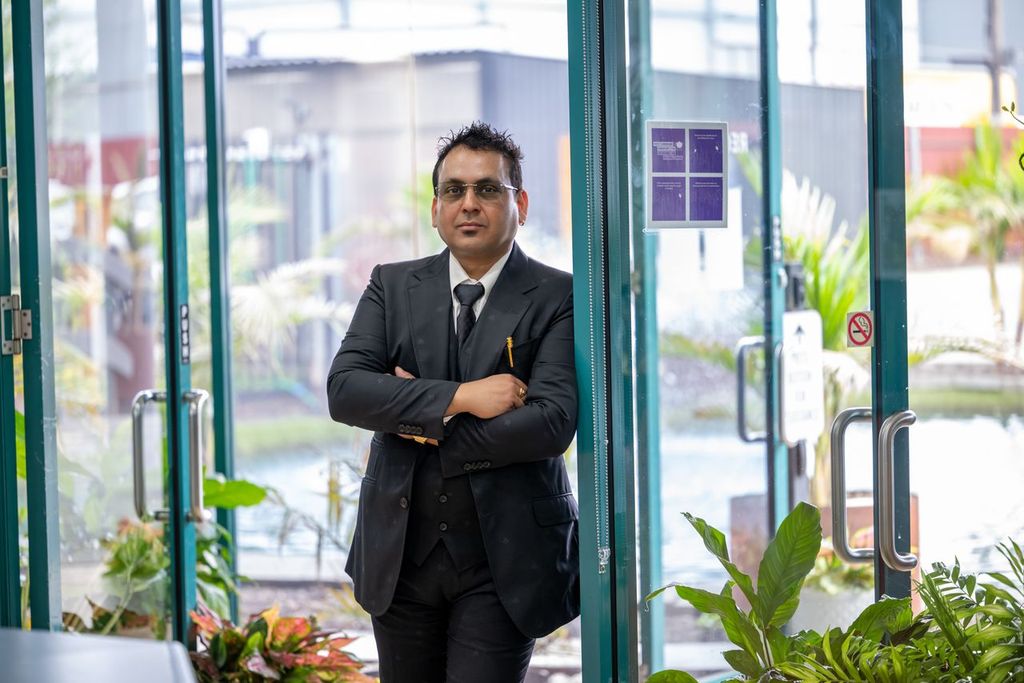
Maddy Gupta, founder and CEO of Manhari Recycling, is urging Australian businesses to audit their idle assets and capitalise on the surging global value of scrap metals.

Manhari Recycling, a leader in Victoria’s circular economy, processes over 250,000 metric tons of metal annually for global manufacturing markets.
Old and unused business assets often contain valuable metals that can be repurposed. Recycling them boosts profits, frees space and supports sustainability.
Precious metals, led by gold and silver reaching record highs, are surging due to geopolitical risks, inflation concerns and central bank buying. Copper has also hit record levels, driven by high demand for electrification. Other industrial metals, including aluminium, zinc and nickel, are rising on supply constraints and increasing demand for green energy technology.
Across Australia, companies spanning construction, manufacturing, mining, transport, agriculture and even hospitality are being urged to take a closer look at the machinery, tools, fixtures and fittings sitting idle in storage yards, factories, workshops and warehouses.
Much of this unused or outdated equipment from forklifts, wiring and metal shelving to refrigeration units, computer servers and production line components contains recoverable metals. With global metal prices remaining strong and demand for recycled materials soaring, these forgotten items could represent thousands of dollars in hidden value.
Recycling scrap metal from decommissioned machinery and infrastructure is not only a sound financial move but also an environmentally responsible one. By repurposing and reprocessing existing metal resources, businesses can reduce landfill waste, cut carbon emissions and contribute directly to Australia’s expanding circular economy.
In short, what’s rusting in a yard or gathering dust in a storeroom could be a profitable opportunity waiting to be uncovered.
Maddy Gupta, founder and CEO of Manhari Recycling, one of Victoria’s largest and most trusted scrap metal recycling companies, said outdated or non-functioning items are too often written off as worthless, when in fact they can contain metals, parts and other components with strong resale or recycling value.
“Many businesses simply don’t realise what they’re holding on to,” Gupta said.
“From copper wiring inside old machinery to aluminium frames, motors, and electronic modules, these components have a ready market and can return real money to businesses that recycle them properly.”
Unlocking hidden value
Across manufacturing, construction, hospitality, retail and logistics, there is a vast range of items that can be recycled for profit. These include:
- Factory and workshop machinery, such as lathes, milling machines, conveyors, forklifts and compressors
- Metal shelving, racking systems, mezzanine floors and warehouse fittings
- Refrigeration units, ovens, commercial dishwashers and other hospitality equipment
- Air-conditioning units, ventilation systems and ducting
- Copper cabling, wiring looms, switchboards and electrical components
- Aluminium doors, window frames, balustrades and structural fittings
- Vehicles, trailers and heavy equipment at the end of their working life
- Office furniture such as metal filing cabinets, workstations and chairs with steel frames
- Shop fittings, display units, counters and metal signage
“Many of these items contain high-value metals such as copper, aluminium, stainless steel and brass, which can be sold locally or exported to manufacturing markets. By dismantling them, recyclers can maximise the return for each component rather than selling the asset whole at a reduced price,” Gupta explained.
“These items can total a significant amount of money for a business when sold for recycling. This is why it is important for businesses to ensure they understand the real value of their unwanted items.”
Space, sustainability and the bottom line
Recycling old assets not only generates income, it also frees up valuable space in workplaces, making operations more efficient. It benefits the environment by diverting waste from landfill, conserving natural resources and reducing the energy demand of manufacturing.
With scrap metal prices remaining competitive and sustainability under increasing public and regulatory scrutiny, now is the ideal time for businesses to audit their unused assets.
“Whether it’s a production line machine, a set of restaurant fridges or a warehouse full of outdated shelving, there’s a good chance those items are worth more broken down and recycled than sitting idle,” Gupta said.
“It’s money on the table that many businesses are missing.”
Time to act
Businesses are being encouraged to make the effort to engage reputable recycling operators who can dismantle, collect and process materials safely and in compliance with environmental standards. Many recyclers now offer free pick-up for large loads and fast payment, making the process straightforward and profitable.
“It’s not just about clearing out the clutter, it’s about recognising the financial and environmental value in what you no longer use,” Gupta said.
“The sooner businesses act, the sooner they can turn those unused assets into real returns.”
Gupta emphasised that often old equipment is worth more money to a business as scrap metal than selling it intact on the second hand market.
About Manhari Recycling
Founded in 2007 by Maddy Gupta, Manhari Recycling is one of Victoria’s largest and most trusted scrap metal recycling companies. With operations spanning nearly five hectares across Tottenham, Horsham and Ararat, Manhari processes over 250,000 metric tons of metal annually and exports to major manufacturing markets worldwide. The company offers comprehensive services including auto recycling, whitegoods disposal, construction scrap recovery and e-waste processing. Committed to innovation, sustainability and customer service, Manhari is evolving into a leader in circular economy solutions, helping industry and community reduce waste, recover value and build a cleaner, greener future for Victoria.
To get a free quote or book a pick-up, visit www.manhari.com.au
Tess Sanders Lazarus, Chief Publicist
Invigorate PR - Global PR for entrepreneurs and businesses
tess@invigorate.com.au | ipublicrelations.net
Visit us on social media:
LinkedIn
Facebook
Other
Legal Disclaimer:
EIN Presswire provides this news content "as is" without warranty of any kind. We do not accept any responsibility or liability for the accuracy, content, images, videos, licenses, completeness, legality, or reliability of the information contained in this article. If you have any complaints or copyright issues related to this article, kindly contact the author above.
